Raboyseyee and Ladies,
We begin with mazel tov wishes to Shevy Dreifus, she the beautiful daughter of Devorah and Uri Dreifus, and she (Devorah), the daughter of our friends of many decades, Rochelle and Dr. Moishe Jeger, upon her wedding this past Monday to Yoni Friedman, he the son of Shulamis and Marc Friedman. Mazel tov to both extended families. May Shevy and Yoni merit to build a beautiful home together and enjoy many decades of blissful marriage.
And in late breaking news, MAZEL TOV to our children Alex and Yaakov Rabi upon the birth -earlier this morning- of a beautiful daughter. Mazel tov to the Grossman and Rabi families. And a special mazel tov to great grandparents Elie and Irv Bader.
The Blood We Don’t Reenact: Clean Doorposts, Complicated Questions
I was thinking -at least for a moment, even more- of skipping this week’s parsha review. And why not? Given that our parsha coincides with Shabbis HaGadol this year—and, truth be told, in quite a number of years—many rebbes, rabbonim, and even rabbis (they are all rabbis) quietly adjust the schedule, keeping their shabbis morning sermon or whatever it’s called in your local shul, short and saving their real ammunition for the long, dramatic דרשה in the afternoon. And between us (please don’t tell Chazal), Parshas Tzav is, to the untrained eye, something of a sequel to Parshas Vayikra—with a few twists, a few added details, and a strong sense of déjà vu. Repetition continues to fixate me.
So I figured, why not skip it this year and let the well-received shtikel on President Trump continue to circulate, fresh and unchallenged, among the hundreds of thousands who, for very valid reasons read me each week. But that would mean skipping a parsha review for the first time in sixteen years. Mamish unthinkable. In the end, I could not. So here I am. Not with a standard review of the parsha—but with something else. A review of a moment. A ritual. An act so critical that it quite literally determined who would live and who would die on that fateful night in Mitzrayim. The act that marked the Jewish home with blood as the RBSO passed over and struck every Egyptian firstborn.
It is an act we speak about. An act we remember. And, quite curiously, an act we do not reenact. Ober, why not? Efsher we can kler that it’s not by accident that this question emerges דווקא (davka) this week. Because while Parshas Tzav provides us with details of the various korbonis, the mechanics of avodah, the blood placed carefully upon the מזבח—Shabbis HaGadol takes us back to the very first time Jewish blood-service defined us. Not in the Beis Hamikdash, but in our homes. Before there was a Mizbayach, there was a doorway. Before כהנים (priests), there was every Jewish household. And before structured avoida (temple service), there was a single, terrifying act of obedience. Life and death mamish.
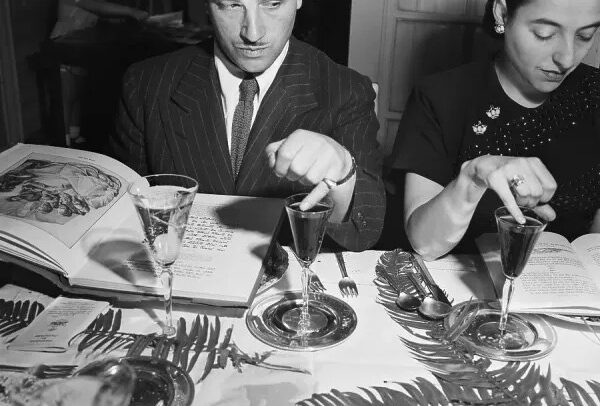
There is something almost theatrical about the Seder night. We do not merely remember Yetzias Mitzrayim (exodus), we recreate it. We lean like free men, we eat matzah as our ancestors did, we taste the bitterness of moror, and we carefully recount every detail of the makos, even diminishing our wine in solemn recognition. Avada we all love licking our fingers dry. It is a night built on reliving, not just recalling.
And yet, for all its vivid reenactment, something essential is missing. On that very first night, as fear gripped Egypt and the final plague loomed, the Yiddin were commanded to do something astonishing. They were to take the blood of the korban and place it on their doorposts (the משקוף and the two מזוזות) marking their homes in a way that was visible, unmistakable. Given the Egyptian’s reverence for the lamb, also deeply provocative. It was not a quiet act. It was not symbolic in the gentle way we use that word today. It was raw, bold, and dangerous. Let’s set the scene and then read the instructions.
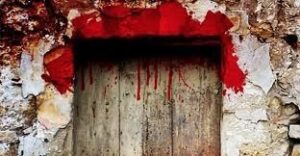
In his penultimate meeting with Paroy -just before the tenth and final plague- Moishe warns that this last plague will be the striking down of all the firstborns of Egypt. To avoid the Israelite firstborns sharing the same fate, the RBSO tells Moishe that the people must slaughter an animal from the flock, and smear its blood on the “lintel” (משקוף) and “doorposts” (מזוזת), which together make up the house doorframe:
שמות יב:ז וְלָקְחוּ מִן הַדָּם וְנָתְנוּ עַל שְׁתֵּי הַמְּזוּזֹת וְעַל הַמַּשְׁקוֹף עַל הַבָּתִּים אֲשֶׁר יֹאכְלוּ אֹתוֹ בָּהֶם… יב:יב וְעָבַרְתִּי בְאֶרֶץ מִצְרַיִם בַּלַּיְלָה הַזֶּה וְהִכֵּיתִי כׇל בְּכוֹר בְּאֶרֶץ מִצְרַיִם… יב:יג וְהָיָה הַדָּם לָכֶם לְאֹת עַל הַבָּתִּים אֲשֶׁר אַתֶּם שָׁם וְרָאִיתִי אֶת הַדָּם וּפָסַחְתִּי עֲלֵכֶם וְלֹא יִהְיֶה בָכֶם נֶגֶף לְמַשְׁחִית בְּהַכֹּתִי בְּאֶרֶץ מִצְרָיִם.
“They shall take some of the blood and put it on the two doorposts and the lintel of the houses in which they are to eat it… For that night I will go through the land of Egypt and strike down every [male] firstborn in the land of Egypt… And the blood on the houses where you are staying shall be a sign for you: when I see the blood I will pass over you, so that no plague will destroy you when I strike the land of Egypt.”
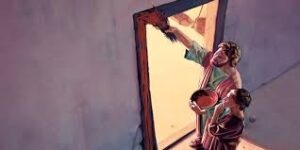
The bottom line: the heylige Toirah depicts the act of smearing blood as practical, so that the RBSO will know not to enter a given house.
And we? Do we reenact this? Not! None of it. Our doors remain clean. Our homes unmarked. There is no zeycher, no reenactment, no moment in the Seder where we rise, take even a drop of wine, and brush it across the doorframe. For a night so committed to reliving the past, the absence is striking. And the question of the week is why? Or, why not? We commemorate the makos. We speak of blood, frogs, and hail. As mentioned, we even spill some wine, acknowledging the suffering of the Egyptians. But we do not recreate the act that determined -quite literally- which homes would be spared? What’s pshat?

One might think that our Sages of the heylige Medrish and Gemora would question, proffer answers and hotly debate this topic, ober does anyone ask about this? Do our sages of the heylige Gemora discuss this topic and wonder why we don’t mark this during the Seder or any other time? They do not! It is almost shocking -at least very surprising- that no one really asks this question. Chazal dissect every פרט (detail) of that night. They explain, debate, expand. Nothing escapes analysis. Many dozens of Haggadahs have been written over the centuries and new ones come out yearly, and yet, this—this glaring absence—is left untouched? Why don’t we reenact the blood on the doorposts?
Could pshat be that perhaps history made such a reenactment unwise? After all, we Yiddin have long been the victims of accusations and libels surrounding blood. To place blood upon our doorposts -even symbolically- could have invited misunderstanding or worse. It is not difficult to imagine how such an act might have been twisted by those already inclined to see the worst in us. And taka in our times, here in 2026, such a move might taka invite trouble. Trouble is already in the air all around us and such symbolism might further stir up the haters. Is that it?
Ober, that is not pshat. That explanation, while understandable, cannot be the real one because the first time we did this, it was infinitely more dangerous. We were not living among suspicious strangers; we were living among our oppressors; we were mamish slaves. We were taking their god, slaughtering it, and publicly displaying its blood. If concern for perception were the issue, that act would never have happened. And yet, that was precisely the point. This was not an act of caution. It was an act of defiance. The soon to be Yiddin were declaring, without words, that they were no longer part of Egyptian culture. Not in belief, not in identity, not in allegiance.
So, we are left with the question. We recreate so much of that night. Why not this? On the one hand, we don’t have frogs jumping on and off our tables either. We do not attempt to simulate lice or darkness. Our dining rooms are lit up brighter than a Lakewood Simcha Hall. On this night, none of the makos are reenacted in any literal sense. They are remembered, spoken about, symbolized—but not recreated.
And yet, this last plague is different, it’s the big one, the one that had Paroy running to Moishe and chasing the Yiddin out. And therein efsher lies the distinction. The makos were what the RBSO did. We were witnesses. Recipients. Observers of a Divine display of power. It is natural, even easy, to commemorate what the RBSO did for us. We can tell the story, spill a drop of wine, and feel a sense of awe and gratitude. But the blood on the doorposts — that was not what the RBSO did; that is what we did. We took the lamb. We slaughtered it. We marked our homes. That part was not a miracle. That was a decision. And decisions of that kind seemingly do not easily become rituals.
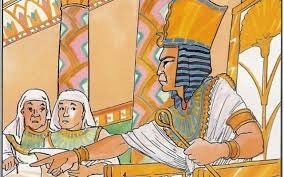
As an aside, the idea of marking one’s home with blood is not entirely foreign to the ancient world. Various cultures practiced rituals in which blood or other substances were placed at entrances as a means of warding off destructive forces or unseen dangers. To the ancient mind, blood was powerful—almost mystical—a substance that could shield, protect, or repel. Apotropaic rituals were a kind of magic meant to avoid harm. That’s a big word for a boy who grew up in Boro Park and it means what? Apotropaic magic is a type of magic intended to turn away harm or evil influences, as in deflecting misfortune or averting the evil eye.
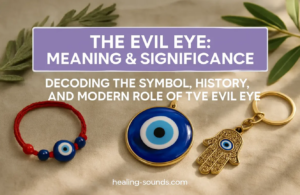
We Yiddin call this the ayin horo. Even in our times, we have quite the number of rituals to avoid the evil eye. From red strings and spilling of lead, to other mishagassin, we are all too familiar with the many different objects and charms used for protection by many peoples throughout history. Back then the ritual was performed by an “exorcist,” and one of its procedures entailed smearing the blood of an animal over the threshold, lintel, and doorjambs of the palace gate to protect the royal residence against the intrusion of external malevolent influences: Pig’s blood, crushed bird heads, animal fats, and fine oils were all used to mark the doorposts and thresholds in the ancient Near East, to protect against a host of dangerous supernatural powers. Wow!
Oib azoy (if that’s taka so), did the heylige Toirah -say it’s not so- merely repurpose this ritual as a practical sign allowing the RBSO to distinguish between Israelite and Egyptian households? One might taka be tempted, at first glance, to place the Pesach night blood-on-the doorpost into that same category, and to suggest that this was a familiar human instinct, now repurposed and given a Jewish form. Ober, banish the thought! Because the heylige Toirah itself dismantles that very notion. The RBSO gave the Yiddin the very specific reason for the blood. “והיה הדם לכם לאות”—the blood was not a protective force; it was a sign. The RBSO did not need the blood to identify which homes to pass over. There was no magic here, no superstition, no attempt to manipulate unseen powers. In a world where others used blood out of fear—trying to keep danger out, the soon to be chosen people used blood as an act of courage, a declaration of what was within. This home belongs to those who stand with the RBSO.
The bottom line: It is almost difficult to believe that this question is not more openly discussed. With so much ink spilled on every פרט of that night, how does no one stop and ask: why don’t we reenact the blood on the doorposts? But the truth is azoy: our sages didn’t necessarily ignore the question, they dissolved it. The just understood and drew a sharp line between פסח מצרים and פסח דורות (the first ever Passover marked in Egypt and the way we celebrate Pesach in the generations that followed), explicitly placing the blood on the doorposts into the category of a one-time act, never meant to continue. Pesach in Egypt featured blood on doorposts, אגודת אזוב (Agudas Eizov) – a bundle of hyssop branches tied together, eating in haste, and staying indoors. Our seders run for many hours! And the blood on the doorpost was explicitly categorized as a one-time דין, not לדורות. Once classified, they seemingly found no need to reenact it.
We close with this: Says the Ramban that the slaughtering of the lamb was נגד עבודה זרה (a public rejection, an act of defiance, against their god). That only made sense in Egypt, and in that moment. Once they left Egypt, that act lost its function.
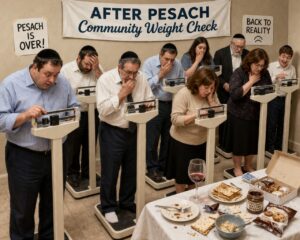
Wishing all my readers ah gittin Shabbis and a Chag Kosher v’Somayach. See you all on the other side of the scale!
The Heylige Oisvorfer Ruv
Yitz Grossman
