Pesach 2026: Certified Kosher for Confusion
by devadmin | April 1, 2026 1:00 am
Raboyseyee and Ladies,
Certified Kosher for Confusion:
Shoin. After several trips to each of the major kosher grocers here in the Five Towns, along with a run to Costco and a few other stops, the family is just about ready for Pesach 2026. All this running around has me thinking back to how most families prepared for Pesach in the 1960s and early ’70s. The evolution is mamish crazy.
As I write these words, there are four refrigerators running in the house. Two of them have top freezers. To accommodate all the shopping, cooking, and baking, they are supplemented by three stand-alone freezers. They are all full. How is that possible? How did one smaller fridge/freezer feed an entire family over Pesach? Was this yet another Pesach miracle?

There was a time when preparing for Pesach meant something simple. You cleaned, you kashered, you bought matzah—and you survived. Somewhere along the way, we upgraded the entire Yom Tov into a cross between a military operation, a corporate compliance audit, and a psychological endurance test. And like all great Jewish evolutions—nobody remembers exactly when it happened.
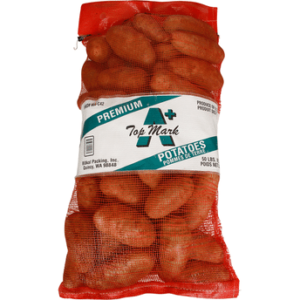
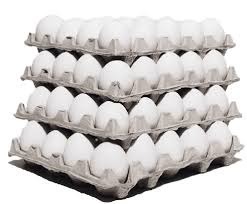
Back when we were kids, Pesach shopping was simple. A 50-pound bag of potatoes. As smaller bag of onions. A few dozen eggs. And enough aluminum foil—what we called silver paper—to wrap, cover, seal, insulate, and possibly waterproof the entire kitchen. No charts. No apps. No “approved lists,” and zicher no dizzying cookbooks. Just potatoes, eggs, foil, and something called popendekel covering already kashered countertops. There was an unspoken halocho: if you didn’t go through at least a dozen rolls of foil, you were not יוצא Pesach. Never mind how many cups you drank or how big your k’zayis was; silver paper was the ultimate test. Counters were covered, tables wrapped, shelves lined and by the time Yom Tov came, the house looked less like a home and more like a NASA launch site. But it worked. It was simple. It was clear. Nobody needed a website to know if the potato was kosher. And no matter what my mother cooked, no matter its disguise—its underbelly was always a potato or an egg. Usually both.
Kashering was just as simple. We kept the sink dry for 24 hours—why 24, ver veyst? Then came the ritual: a rock placed into the sink. Why a rock? To this day, no one knows. It was just… done. Boiling water was poured over everything—counters, sinks, anything remotely suspicious. And then came the real עבודה: standing there with towels, rags, and whatever shmattis were available, desperately trying to catch the boiling water before it cascaded into the cabinets below or leaked into the basement like a chametz flood. It was part kashering, part plumbing emergency, part Olympic sport. And when you were done—you were done. No diagrams. No step-by-step manuals. No hotline. The kitchen survived. Pesach began.
Dessert? Lady fingers. Endless lady fingers. And those legendary “cakes”—if that’s what we’re calling them—made on top of the stove with potato starch and a level of optimism that bordered on faith. Nobody complained. Nobody compared brands. This is what we ate. In today’s times, aside from the great variety of baked goods -to include cupcakes, birthday cakes, seven-layer cakes, and so many more, we have long lasting cakes that miraculously maintain their freshness for months. How that’s possible, ver veyst?
Cleaning didn’t begin two weeks before Yom Tov. It began the day after Purim. That was the season opener. Mothers across America took down the drapes like it was a coordinated operation. Curtains that hadn’t moved since last Pesach were suddenly stripped, washed, and restored to a level of cleanliness that suggested a royal inspection was imminent. That was the signal. Pesach was coming. Not with lists. Not with apps. But with a washing machine full of curtains and a house turning upside down.
Which brings us to the modern miracle: the Bedikas Chometz kit. Once upon a time, Bedikas Chometz required three things: a candle, a brocho, and a father who forgot where he hid the bread. That was it. And then some yeshiva invented the kit! The kit contains a feather, a spoon, a bag, avada coordinated, packaged, and possibly color-matched. Some of these items may have secondary uses, if you chap. Who knows where yeast can pop up? The feather I chap. Mistama it’s a minhag by now. Gentle and symbolic. Of what? Ver veyst? Ober the spoon? The bottom line: Whoever assembled the first bedikah kit was a marketing genius because it’s still around in its initial iteration so many decades later. The chiddush is that it now comes shrink-wrapped. At some point a Toirah inspired entrepreneur said “You know what this mitzvah needs? Updated Packaging.” Somewhere in a meeting he mistama thought to himself….the Yiddin are already cleaning. Let me monetize the last five crumbs. How far are we from a Bidika App which -based on the dimensions of every room and room layout- strategically lays out the 10 pieces of bread for the great bedikah hunt?
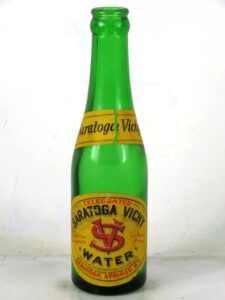
Once upon a time, Pesach meant either regular tap water, seltzer mamish -or, for the wealthy- bottles of Saratoga Vichy Water. That was the entire drink menu. We looked forward to adding that sweet raspberry syrup (still sold today.) What about soda? Absolutely not. Not questionable, not debated, not “ask your Rav.” Assur. Verboten! Fartig and case closed. If it fizzed—unless it was seltzer—it was dangerous. Somehow, we Yiddin survived. Eight days. No cola. And then one year—no one knows exactly when—a whisper began: “Actually… soda might be fine.” Not all sodas. Not Brooklyn brands like Cornell, Hammer, or Hoffmans but soda that had been researched, broken down, analyzed, certified, and listed on a PDF somewhere between Adwe toothpaste and aluminum foil. The first widely accepted -in the frum world- kosher L’Pesach soda brand was known as Mayim Chaim and it was a game changer. But is that emes? It’s not! Because Coke took notice several decades earlier -as far as back as the 1930s- and an aggressive and daring rabbi made Coke kosher for Pesach. What about its secret ingredient? Did it contain chometz? And he certified it? Mamish? Indeed so.
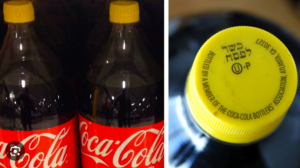
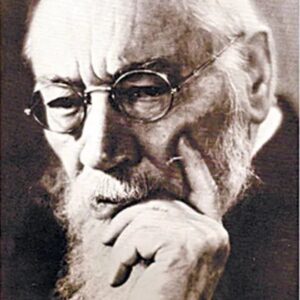
As it turns out, following the revolution in Mitzrayim a few thousand years earlier, one was brewing over in Atlanta, GA, Coke’s headquarters with a rabbi who did not accept its “secret formula” as a heter. Rabbi Tobias Geffen, OBM, cracked open the black box, found what needed fixing, and suddenly the most goyishe drink in America showed up at the Seder—with a yellow cap like a badge of honor. And certainly, a long way from the yellow star. It wasn’t just a hechsher; it was a transformation. Water didn’t need to become kosher. Coke did.
But did our parents allow coke into the house on Pesach? Not mine and Fuhgeddaboudit! Ober as the future Ois got older (and a shtikel wiser) he learned that Kosher L’Pesach Coke was a real thing and especially if it had that yellow cap which it still has in our days. The yellow cap was the game changer. And now hear this: in recent years all sodas are fine, and especially so if you are Sephardic. The even better news is that even if you are of Ashkenazic descent but follow the Kosher List from https://kashrut.org/pesach-list-2026/ put our yearly by Rabbi Abadi – may Hashem bless him- all sodas are fine for both Ashke’s and Sefardi’s. Wow! It turns out that כמעט every soda in America is “fine” -not just for Sefardim, but even for Ashkenazim who grew up thinking corn was a moral failing. Today, Cola, root beer, orange, grape—apparently the whole soda aisle is ok. One can mamish walk into any gas station and emerge with a perfectly acceptable Pesach beverage. Of course, the heylige Ois does not pasken Pesach shaylos (questions) but is glad to share that the 2026 list (and for years before) includes kimat every brand of soda and iced tea. Givaldig and gishmak! Of course, this raises a simple question: Why is it that most continue to look for the yellow cap? Are we conditioned beyond repair? Was Saratoga Vichy Water (its name back then before they went to fancy blue bottles and a shorter name which they probably fill from the sink) but a chumra, a misunderstanding, or just a very successful marketing campaign?
In any event, somewhere along the way, the heimishe world said: if the Yiddin are ready for Coke on Pesach, we will have our own. What happened next? Again, inspired orthodox Yiddin weren’t going to let Coke control this market by itself, and found a way to make their brand even more acceptable for Pesach. Along came Mayim Chayim—the official beverage of Chol Hamoed afternoons and children who didn’t know any better. It comes in flavors that technically have names, but all taste like “Pesach.”
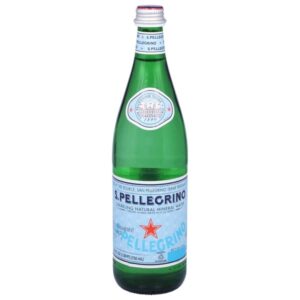
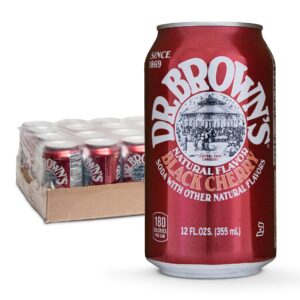
Coke was of course followed by Pepsi and these days, walk into the kosher supermarket and what do you find? The same cast of characters. Coke with the yellow cap. Pepsi with its yellow cap, and Mayim Chayim holding the line. A cameo by San Pellegrino pretending it always belonged. And of course, the undisputed king of Yiddishe carbonation, and the Ois’s favorite Pesach (and all year round) soda, Dr. Brown’s, which is well known in decent delis all over for its black cherry and cream soda.
The bottom line: We’ve come full circle. Once, a Yid trusted water. Then he trusted a rav. Then he trusted a symbol. Today, he trusts a website—and still buys the same four bottles his father brought home. Because at the end of the day, Pesach isn’t about what you’re allowed to drink. It’s about what feels like Pesach. And nothing says Yom Tov quite like opening a bottle that tastes exactly like your childhood—and a little bit like freedom. There’s nothing like a glass of water with a healthy dose of that raspberry syrup. And despite all the fancy cakes and cookies, there is nothing quite like a Lady Finger melting in your mouth.
The Heylige Ois wishes all his readers a Chag Kosher V’Sameach!
Source URL: https://oisvorfer.com/pesach-2026-certified-kosher-for-confusion/